
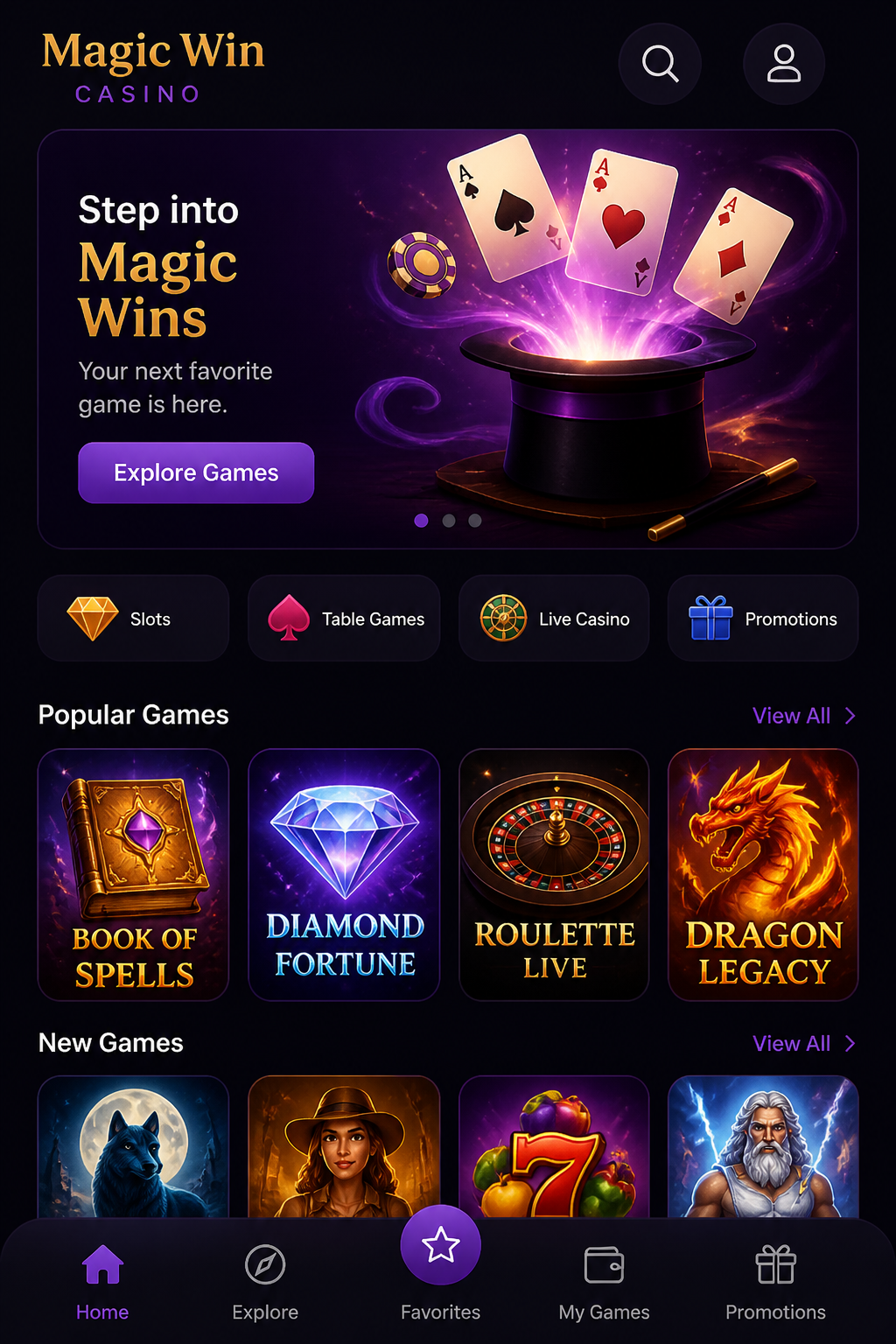
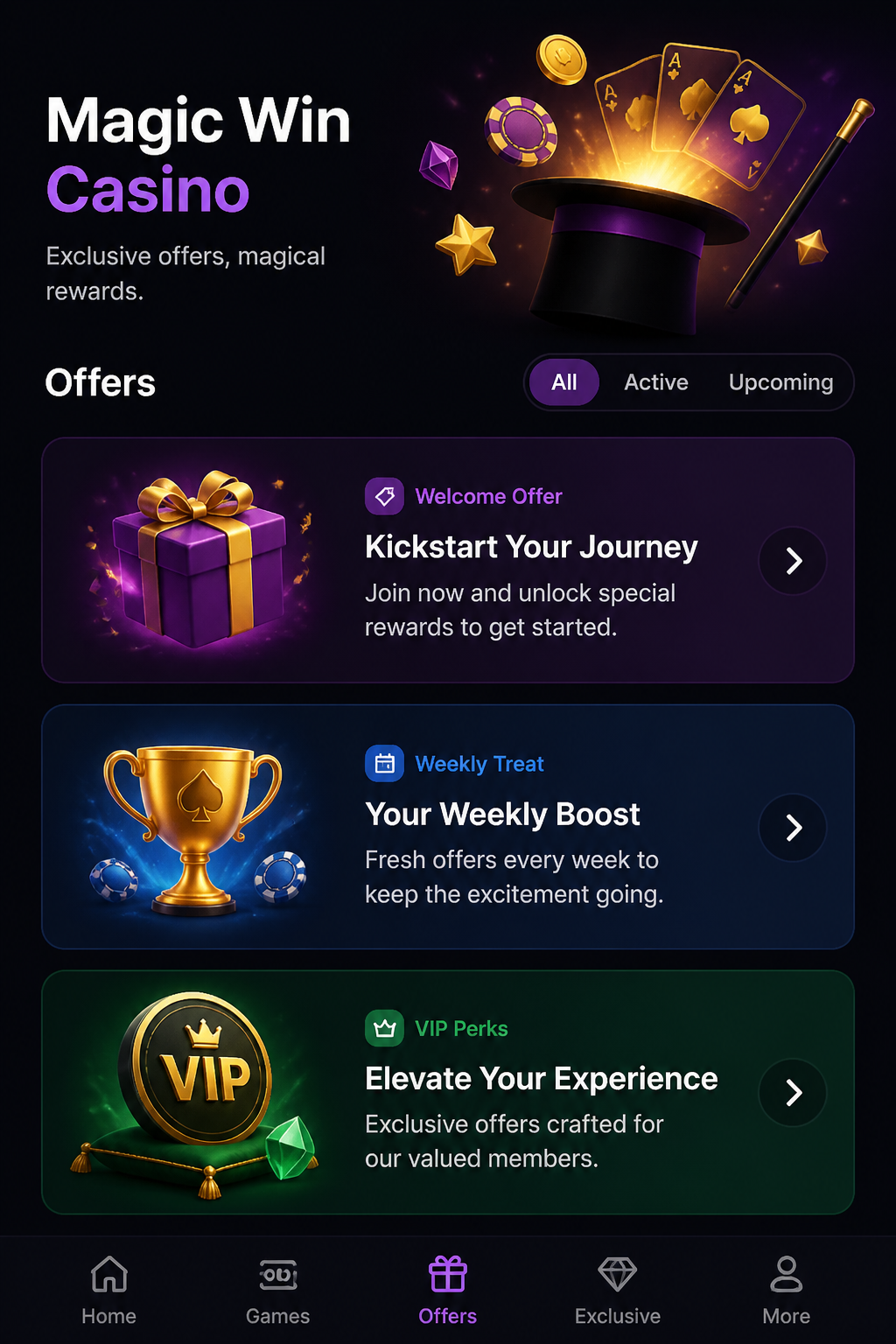
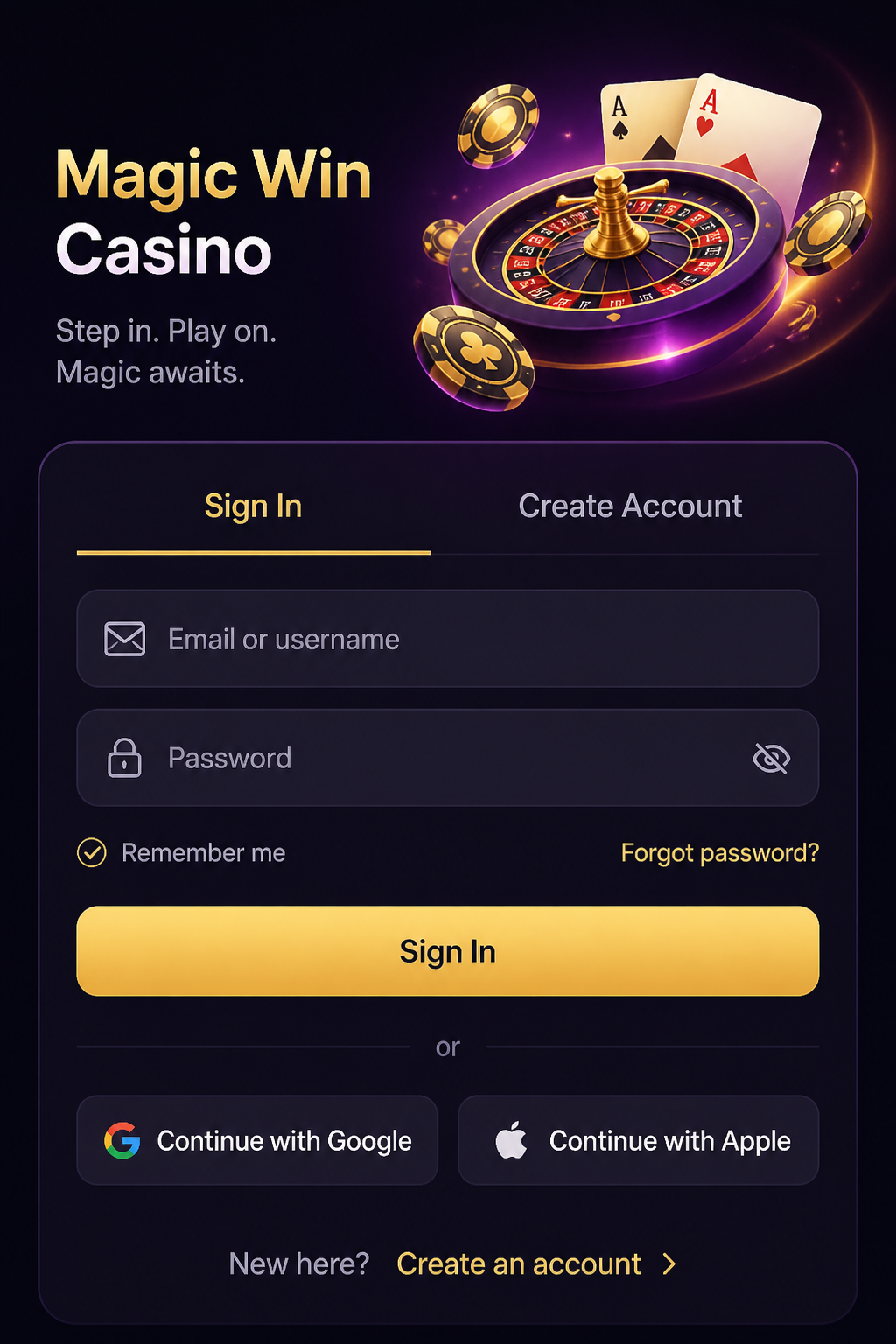
A mobile gambling service can be presented in several technically different ways. The Magic Win profile supplied for this guide describes access through browsers on Android and iOS. It does not establish that a separate downloadable application exists. Distinguishing those formats is important when assessing the origin of software, the information it can access and the way a device displays financial actions.
This page examines the mobile environment rather than claiming to have installed or tested a Magic Win app. It covers software distribution, browser storage, notifications, payment displays and protective device settings. Common browsers and payment services appear as general examples; their inclusion does not amount to a tested compatibility list or a list of accepted payment methods for this casino.
| Reported access model | Mobile website |
| Common Android browser software | Chrome, Samsung Internet, Firefox |
| Common iPhone browser software | Safari, Chrome |
| Web interface formats | Responsive layout, web application, shortcut |
| International mobile payment examples | Visa, Mastercard, PayPal, Skrill and Neteller |
| Device privacy controls | Local storage, permissions and notifications |
Different ways of presenting a mobile service
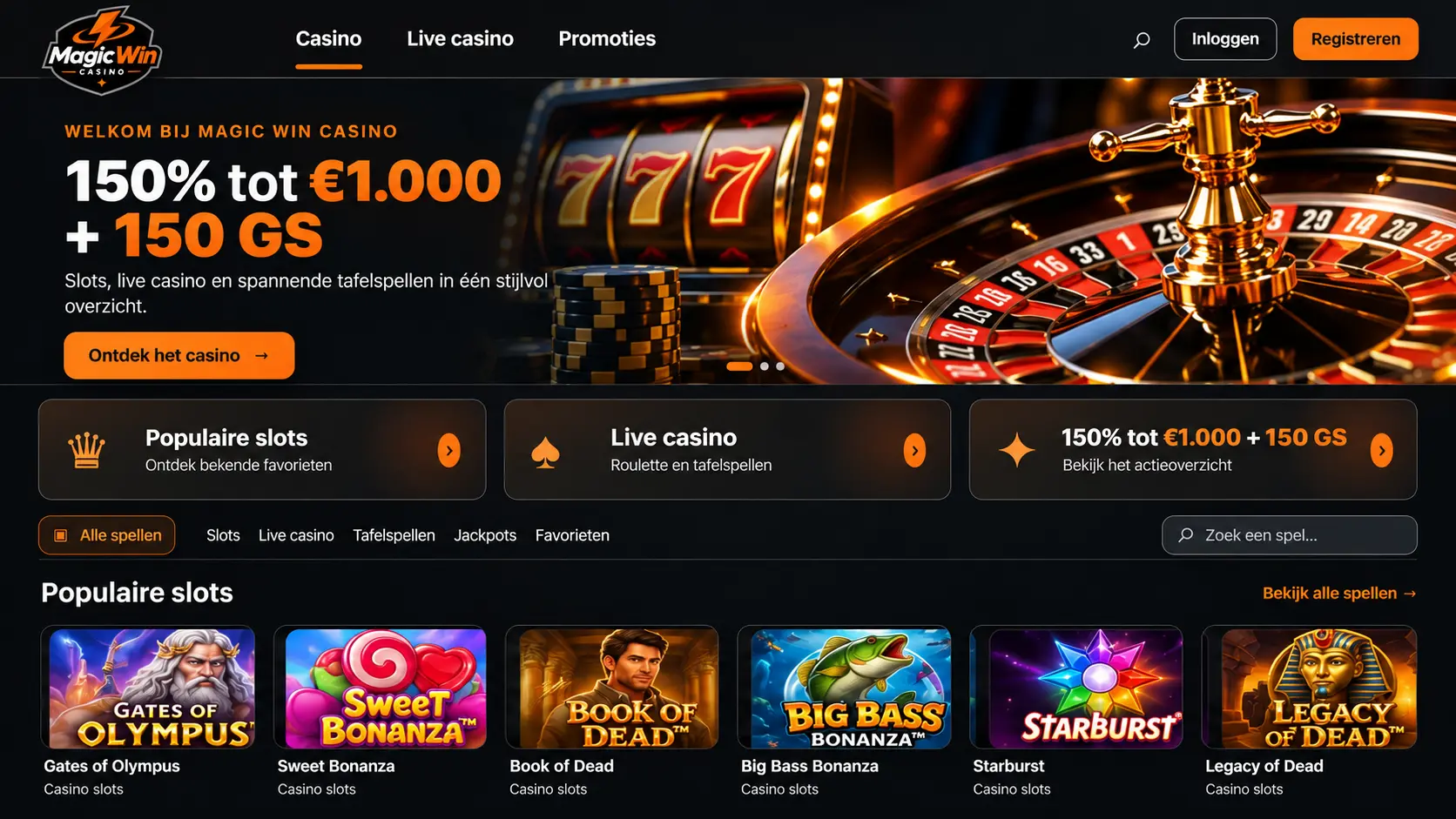
A responsive site changes its layout to fit the available screen. Its menus may move into a panel and its content may use a single column rather than several columns. The service is still delivered through web technology. The fact that a mobile layout looks like an application does not establish that anything has been installed outside the browser.
A native application is separately distributed software for a particular operating system. Its publisher, version and update channel are relevant to its provenance. A web application can offer a standalone-looking window while relying on a browser and web resources. A home-screen shortcut can simply open a particular address. All three may use similar icons, even though their distribution and permission models differ.
The available Magic Win description supports the browser format only. There has been no inspection of an official installation package for this guide. A file sent through an advertisement or a messaging account should not be assumed to belong to an operator merely because its name resembles the brand. Unfamiliar software can expose personal data or payment credentials.
What a browser contributes
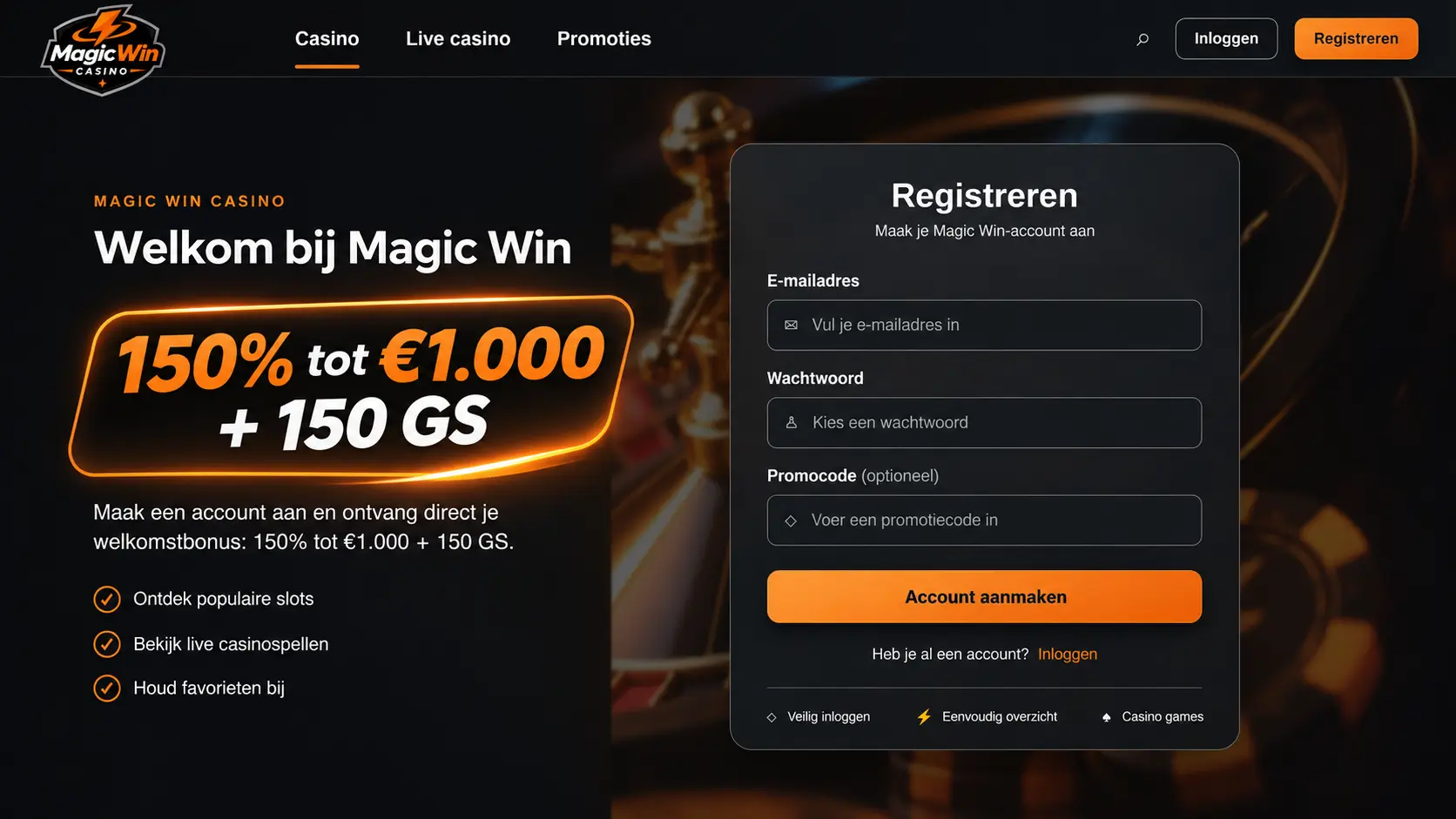
Browsers process page content, manage requests and implement security restrictions between different websites. They also control aspects of local storage and permission requests. A site can depend on features that vary between browser releases, so a browser's product name alone does not determine the behaviour of every device.
Chrome and Samsung Internet are familiar examples on Android, alongside Firefox and other alternatives. Safari is a widely encountered iOS browser, with additional browsers also available. These examples describe the mobile software landscape. They do not confirm that Magic Win works in a particular version, supports a specific screen size or provides identical functionality across devices.
System updates and the source of software
An operating system and a browser both receive security updates. Those updates come through their own distribution mechanisms rather than through the branding of a website. A page displaying a claim that a phone requires a special casino update should not be regarded as authoritative. The actual source of an update matters more than the appearance of the message.
Reading a compact interface carefully
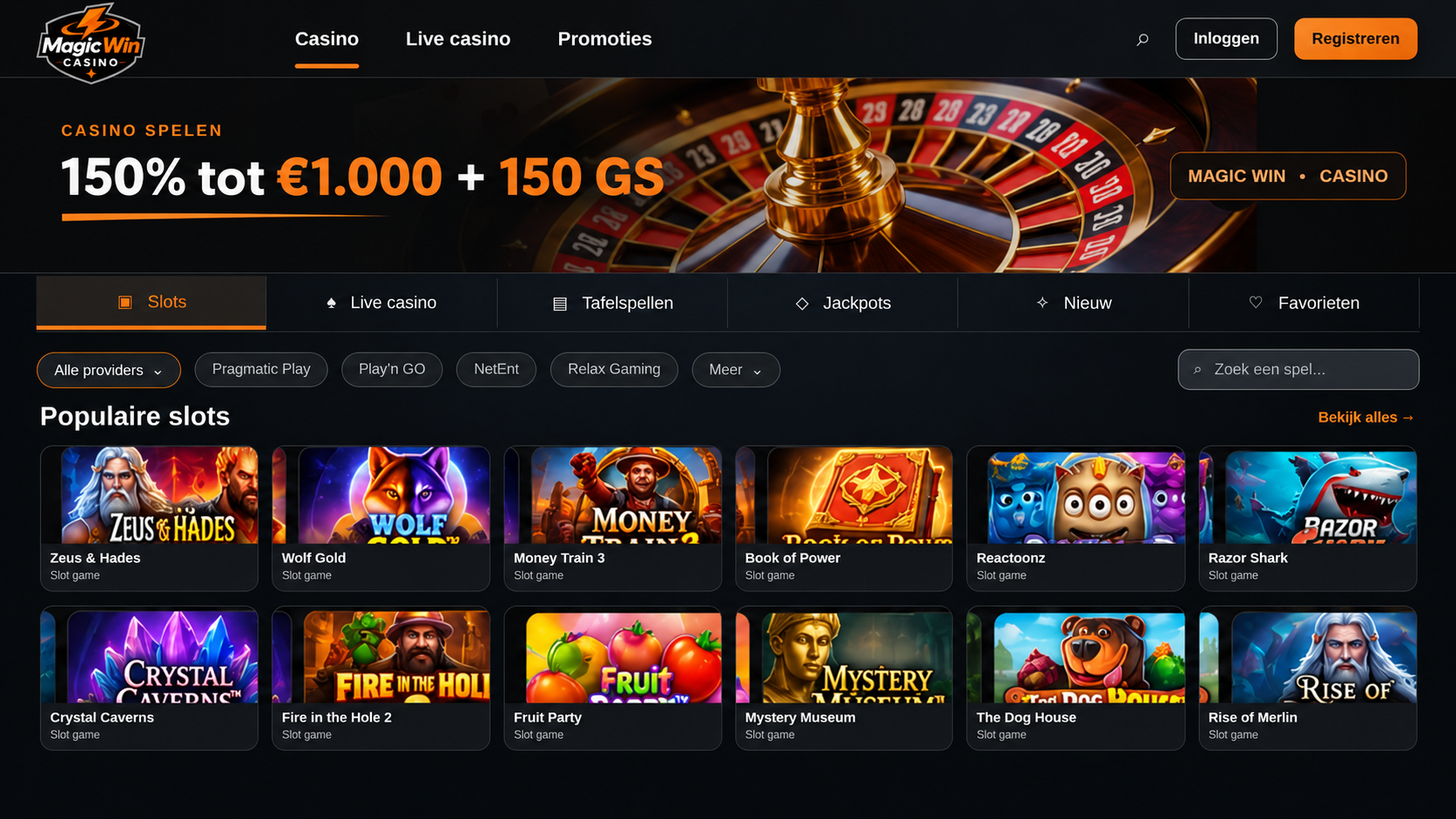
Mobile interfaces may use expandable sections to accommodate long explanations. This is convenient for browsing but can separate a summary from its detailed conditions. A label near a balance may be abbreviated, and a description of the type of funds may appear on a different screen. An attractive layout is not evidence that all relevant financial information is clearly presented.
Local storage and account sessions
A browser can store information locally to support a session or remember preferences. Different technologies serve different functions. A cookie might contain a session identifier; another storage mechanism might hold a presentation preference. The existence of such technologies does not establish the actual tracking practices of a particular website.
Clearing browser data can remove certain information from the device. It does not automatically erase a record maintained by a service on a remote server. Financial records, correspondence and account settings may be governed by separate retention practices. A person concerned about information held by an organisation may need to exercise applicable privacy rights rather than rely on a device setting alone.
Shared devices and accidental disclosure
Someone who borrows a phone may encounter an open browser tab or a saved form. A device with several users creates different privacy concerns from a device used by one adult. Stored credentials and notification previews can reveal information even if a person does not actively navigate to a website. Children should never be able to access gambling accounts or related payment facilities.
Private browsing modes reduce certain local traces under defined conditions, but they do not provide universal anonymity. A server can still receive requests and the network can still carry traffic. The name of a private mode should not be confused with a guarantee that no external party retains information about a visit.
Notifications and unwanted exposure
A website or an application can request permission to display notifications. The exact delivery model depends on the platform. Notifications may include service messages or promotional content, and their appearance outside the original page can expose a user to gambling cues throughout the day. Permission can generally be managed through the relevant browser or system settings.
Turning off reminders can be useful when someone wants to reduce exposure to gambling. Removing a shortcut or disabling a notification is not the same as restricting the underlying account. A time-out or a self-exclusion programme may operate at a different level. Independent blocking tools and professional assistance can offer additional protection when access through several devices is a concern.
Payment information on a phone
A payment service may open a separate confirmation environment when a financial instruction is submitted. International examples include Visa and Mastercard card payments, bank transfers and wallets such as PayPal, Skrill and Neteller. These examples are not evidence of acceptance at Magic Win. Actual availability can vary according to merchant policy and local rules.
A mobile payment can also move between a browser and a banking application. The information displayed in each environment needs to be understood in context. A message from a website does not necessarily originate from the bank. Confidential codes and passwords should never be shared with a person claiming to offer payment assistance.
The brand material describes the account currency as EUR and states a minimum deposit of €10. Neither figure is an affordability assessment. Keeping a payment device nearby can reduce the time between an impulse and a financial transaction. Someone worried about their spending can consider restricting gambling transactions through their financial institution where suitable options exist.
When an interruption occurs
Streamed content depends on a connection capable of receiving data over time. A text page can remain readable under conditions that cause a video stream to stall. A frozen frame does not necessarily represent the current state of a game, and a connection interruption does not establish that an earlier payment has been cancelled.
If an instruction has already been authorised through a payment service, an unclear browser message is not a reason to send another instruction. A statement or reference associated with the original transaction can clarify whether the money has moved. Retrying without resolving the existing status can result in multiple payments. That is a general financial risk rather than a report of a tested Magic Win fault.
Viewing the game catalogue
The profile describes a total collection exceeding 1,500 titles, including slots, tables and live games. It does not specify a separately counted mobile inventory. Some titles may be displayed differently on a compact screen, and streamed games place different demands on a device from ordinary information pages. A total catalogue figure cannot establish the device requirements of each title.
Contact channels from a mobile device
Round-the-clock chat and email are mentioned in the supplied description. These are reported communication channels, not an assessment of response quality. A short message on a phone can be useful for describing a problem, but a complex dispute may require a written record of what happened. A transaction identifier and the relevant amount can be more useful than a large collection of unrelated screenshots.
Before sharing any document, consider the recipient and the purpose of the request. Financial statements may contain information unrelated to the issue. Passwords and one-time authentication codes are not ordinary supporting documents. Requests that seem inconsistent with the stated purpose deserve independent verification.
Choosing less access rather than more access
A mobile environment can make a gambling service present throughout ordinary routines. For someone experiencing harm, increasing convenience is not necessarily desirable. Turning off marketing, setting restrictions on payments and seeking help can reduce access and financial pressure. Removing a browser shortcut alone may be insufficient if the underlying account remains open.
The supplied profile mentions limit and time-out tools, but their implementation has not been tested. A protective feature should not be represented as effective merely because it appears in a brand description. The distinction between a local device setting and a formal account restriction remains important. The main point of this guide is that the reported Magic Win format is browser-based, while a dedicated application and its features have not been established. No software installation or participation is needed to understand that distinction.